20th Anniversary Building, CCMK Health Care Village,
Vellikulam Road, Chalakudy – 680307, Thrissur District,
Kerala – INDIA
Email :cccmkmemorialhospital@gmail.com
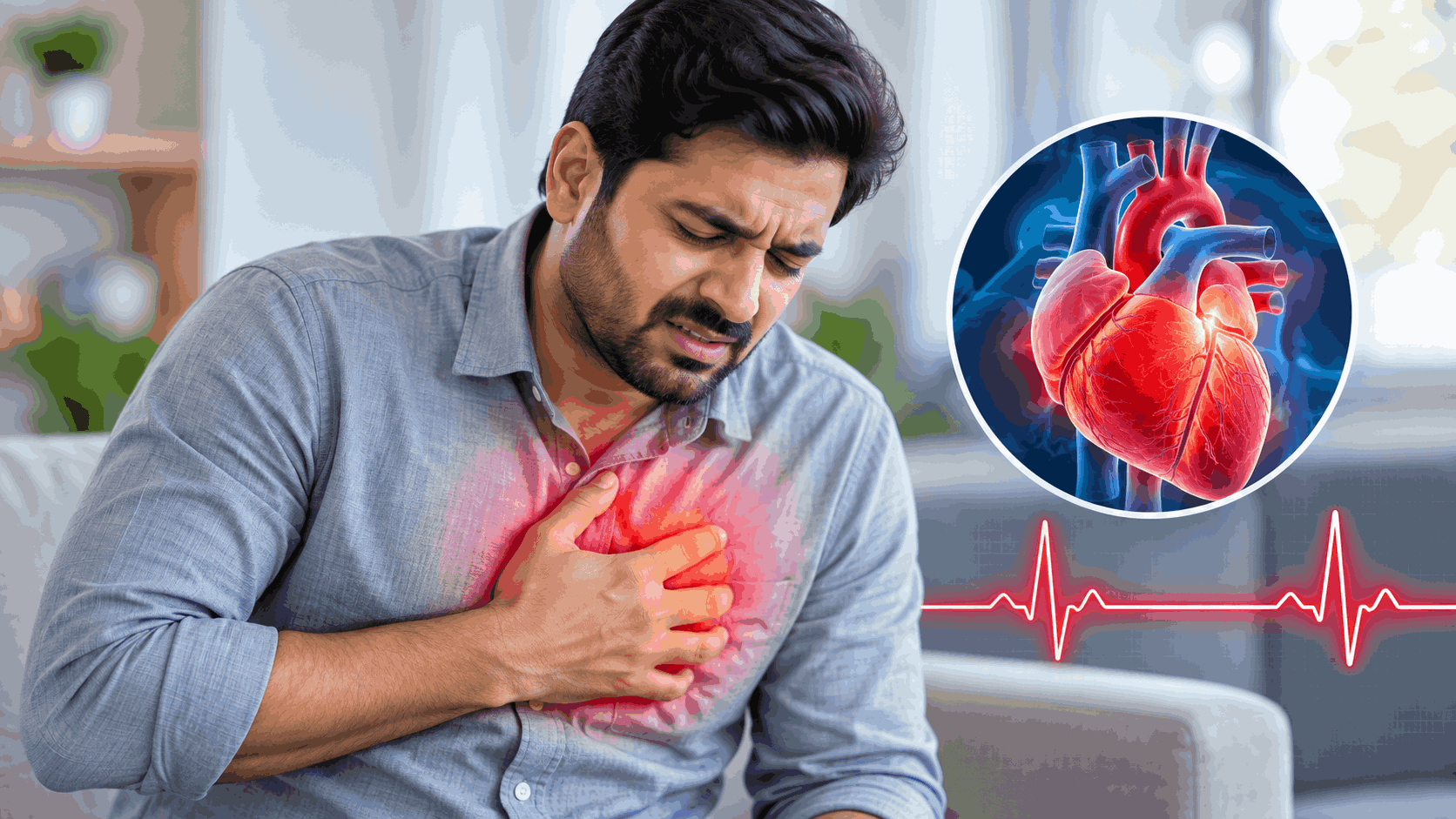
Chest Pain: When Is It an Emergency?
Chest pain can have many causes. Sometimes it may result from acidity, muscle strain, or other
less serious conditions. However, chest discomfort can also be a warning sign of a heart
problem.
The important question is not simply "What caused my chest pain?" but "Could this be an
emergency?"
What Can Chest Pain Feel Like?
People describe chest discomfort in different ways:
Pressure or heaviness
Tightness or squeezing
Burning sensation
Pain or discomfort in the centre or left side of the chest
Pain spreading to the arm, shoulder, back, neck, or jaw
Some people, particularly older adults and people with diabetes, may experience less typical
symptoms.
Symptoms That Need Urgent Attention
Chest discomfort becomes particularly concerning when it occurs with:
Breathlessness
Sweating
Nausea or vomiting
Dizziness or fainting
Unusual weakness
Palpitations
Pain spreading beyond the chest
If these symptoms appear suddenly or are severe, seek emergency medical care rather than
trying to diagnose the cause yourself.
Should You Wait for the Pain to Go Away?
It is better not to assume that chest pain is "just gas" or indigestion, especially when the
symptoms are new, severe, recurrent, or associated with other warning signs.
Early assessment can help doctors determine whether the problem is cardiac, respiratory,
digestive, muscular, or related to another condition.
Who Should Be Especially Careful?
People with risk factors such as diabetes, high blood pressure, high cholesterol, smoking
history, obesity, or a family history of heart disease should take new chest symptoms seriously.
What Happens During an Evaluation?
Depending on your symptoms, a medical team may recommend examinations and tests such as
an ECG, blood tests, echocardiography, or other cardiac investigations.
CCMK Memorial Hospital provides cardiac evaluation services including ECG,
echocardiography and TMT, along with cardiology services.
Remember
New, severe, or unexplained chest pain should never be ignored.
This information is educational and does not replace emergency medical assessment.